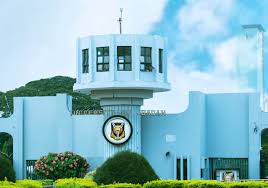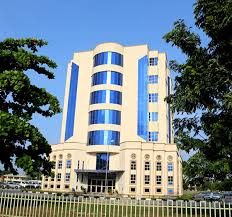
The University of Nigeria, Nsukka (UNN) is one of the most respected universities in Nigeria and across Africa. Known for its strong academic culture, research excellence, and historic legacy, the university attracts thousands of applicants every year.
Founded in 1960, UNN was the first indigenous and autonomous university in Nigeria, created to provide world-class education modeled after the American university system. Today, the institution offers hundreds of undergraduate and postgraduate programs across many faculties and campuses.
This complete guide provides everything you need to know about UNN, including:
- Full list of courses offered
- Faculties and departments
- School fees structure
- Admission requirements
- JAMB and Direct Entry requirements
- Cut-off marks
- How to apply successfully
- Career opportunities after graduating
- Frequently asked questions (FAQs)
Overview of the University of Nigeria Nsukka
The University of Nigeria was established by Nigerian nationalist and first president Nnamdi Azikiwe. The goal was to create a university that would promote education, research, and national development.
Key Facts About UNN
| Feature | Details |
|---|---|
| Established | 1960 |
| Location | Nsukka, Enugu State |
| Founder | Nnamdi Azikiwe |
| Ownership | Federal Government of Nigeria |
| Type | Public Research University |
| Motto | “To Restore the Dignity of Man” |
UNN operates multiple campuses, including:
- Nsukka Campus (Main Campus)
- Enugu Campus (UNEC)
- Ituku-Ozalla Campus (College of Medicine)
The university offers over 100 undergraduate programs and has produced many influential Nigerian professionals.
Faculties in the University of Nigeria Nsukka
Courses at UNN are organized into faculties.
Major faculties include:
- Faculty of Agriculture
- Faculty of Arts
- Faculty of Biological Sciences
- Faculty of Business Administration
- Faculty of Education
- Faculty of Engineering
- Faculty of Environmental Studies
- Faculty of Law
- Faculty of Pharmaceutical Sciences
- Faculty of Physical Sciences
- Faculty of Social Sciences
- Faculty of Veterinary Medicine
- College of Medicine
Each faculty offers several degree programs designed to prepare students for specific careers.
Complete List of Courses Offered in UNN
Below is a detailed breakdown of the major courses available at the university.
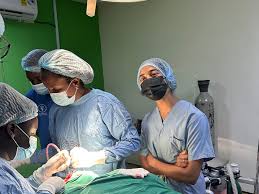
College of Medicine (Ituku-Ozalla Campus)
The medical college is one of the most competitive divisions of the university.
Courses include:
- Medicine and Surgery (MBBS)
- Dentistry
- Medical Laboratory Science
- Nursing Science
- Medical Rehabilitation (Physiotherapy)
- Human Anatomy
- Human Physiology
These programs are extremely competitive and require high JAMB scores.
Graduates work in:
- Hospitals
- Research institutions
- Pharmaceutical companies
- Public health organizations
Faculty of Pharmaceutical Sciences
The faculty trains students in drug development and pharmaceutical practice.
Programs include:
- Doctor of Pharmacy (Pharm.D) – a 6-year professional program replacing the old B.Pharm degree.
Career opportunities include:
- Pharmaceutical companies
- Drug manufacturing
- Hospital pharmacy
- Clinical research
Faculty of Law (Enugu Campus)
The Faculty of Law offers one program:
- Law (LL.B)
UNN law graduates proceed to the Nigerian Law School before practicing.
The faculty is highly competitive and requires excellent academic results.
Faculty of Engineering
Engineering programs are among the most sought-after courses at UNN.
Programs include:
- Civil Engineering
- Mechanical Engineering
- Electrical Engineering
- Electronic Engineering
- Chemical Engineering
- Agricultural and Bioresources Engineering
- Metallurgical and Materials Engineering
Engineering graduates work in:
- Construction companies
- Manufacturing industries
- Oil and gas companies
- Technology companies
Faculty of Biological Sciences
Courses include:
- Biochemistry
- Microbiology
- Zoology
- Plant Science and Biotechnology
These programs prepare students for careers in:
- Biotechnology
- Medical research
- Environmental science
Faculty of Physical Sciences
Programs include:
- Physics and Astronomy
- Mathematics
- Statistics
- Chemistry
- Geology
Graduates often work in:
- Scientific research
- Data science
- Technology companies
Faculty of Social Sciences
Courses include:
- Economics
- Political Science
- Psychology
- Sociology
- Social Work
- Geography
Graduates pursue careers in:
- Government agencies
- NGOs
- International organizations
- Policy analysis
Faculty of Business Administration
Programs include:
- Accounting
- Banking and Finance
- Marketing
- Management
Graduates often work in:
- Banks
- Corporate organizations
- Consulting firms
Faculty of Agriculture
Courses include:
- Agricultural Economics
- Animal Science
- Crop Science
- Soil Science
- Agricultural Extension
- Food Science and Technology
- Nutrition and Dietetics
Agriculture graduates work in:
- Agricultural research
- Food production
- Government agricultural agencies
Faculty of Arts
Programs include:
- English and Literary Studies
- Linguistics
- History and International Studies
- Philosophy
- Theatre and Film Studies
- Music
Graduates often work in:
- Media
- Education
- Cultural institutions
Faculty of Education
Courses include combinations such as:
- Education/English
- Education/Mathematics
- Education/Biology
- Education/Economics
Education graduates typically pursue careers in:
- Teaching
- Educational administration
UNN School Fees
School fees at UNN vary depending on the faculty and level of study.
Estimated School Fees for Fresh Students
| Faculty Category | Estimated Fees |
|---|---|
| Arts, Social Sciences, Education | ₦110,000 – ₦115,000 |
| Science and Engineering | ₦112,000 – ₦116,000 |
| Medical and Professional Courses | ₦120,000+ |
Returning students usually pay slightly less.
In some reports, returning students pay around ₦45,340, while new students pay around ₦61,340 depending on charges and department.
Hostel Accommodation Fees
Hostel accommodation at UNN typically costs around:
- ₦35,000 per session
However, hostel space is limited.
Many students live off-campus in areas such as:
- Odenigbo
- Nsukka town
- Obukpa
Admission Requirements for UNN
Admission into the University of Nigeria Nsukka requires meeting specific academic criteria.
UTME Admission Requirements
Candidates applying through UTME must:
- Score at least 160–200 in JAMB depending on the course.
- Select UNN as first choice university.
- Have five O’Level credits including English and Mathematics.
- Participate in the UNN Post-UTME screening.
O’Level Requirements
Applicants must have:
- Minimum 5 credits
- Including English Language and Mathematics
- Maximum of two sittings
Accepted examinations include:
- WAEC
- NECO
- GCE
Direct Entry Admission Requirements
Students with advanced qualifications may apply through Direct Entry.
Accepted qualifications include:
- National Diploma (ND)
- Higher National Diploma (HND)
- NCE
- A-Level certificates
Direct Entry candidates typically start from 200 level.
UNN Cut-Off Marks
Cut-off marks vary depending on the course.
Estimated competitive scores:
| Course | Competitive Score |
|---|---|
| Medicine | 270+ |
| Law | 260+ |
| Pharmacy | 260+ |
| Engineering | 240+ |
| Nursing | 260+ |
Highly competitive courses require higher scores.
How to Apply for UNN Admission
Follow these steps:
Step 1
Register for JAMB UTME.
Step 2
Choose University of Nigeria Nsukka as first choice.
Step 3
Score above the required cut-off mark.
Step 4
Apply for the UNN Post-UTME screening.
Step 5
Upload O’Level results and documents.
Step 6
Monitor JAMB CAPS for admission updates.
Successful candidates receive admission offers through JAMB CAPS.
Why Many Students Choose UNN
Several factors make UNN one of the most popular universities in Nigeria.
Academic Excellence
The university is widely respected for its academic standards.
Research Reputation
UNN is known for strong research output in:
- Medicine
- Agriculture
- Engineering
- Social sciences
Affordable School Fees
Compared with private universities, UNN remains relatively affordable.
Strong Alumni Network
Many UNN graduates hold important positions in:
- Government
- Business
- Academia
Career Opportunities for UNN Graduates
Graduates from the University of Nigeria Nsukka work in many industries.
Examples include:
- Banking and finance
- Engineering and construction
- Healthcare and medicine
- Government and public administration
- Technology and data science
Many also pursue postgraduate studies abroad.
Frequently Asked Questions (FAQs)
1. What is the cut-off mark for UNN?
The general cut-off mark is around 160–200, but competitive courses require higher scores.
2. How much is UNN school fees?
School fees range between ₦110,000 and ₦120,000 for fresh students, depending on the course.
3. Does UNN conduct Post-UTME?
Yes. Candidates must participate in the UNN Post-UTME screening exercise.
4. Does UNN offer Medicine and Surgery?
Yes. The university offers Medicine and Surgery (MBBS) at its medical campus in Ituku-Ozalla.
5. Can I gain admission into UNN with 200 in JAMB?
Yes, but competitive courses require higher scores.
Final Thoughts
The University of Nigeria Nsukka remains one of the top federal universities in Nigeria, offering a wide range of accredited courses across many faculties. With affordable school fees, strong academic standards, and excellent career prospects, UNN continues to attract thousands of applicants every year.
However, admission into the university is highly competitive. Students who want to gain admission should prepare thoroughly for JAMB, meet all O’Level requirements, and perform well in the Post-UTME screening.