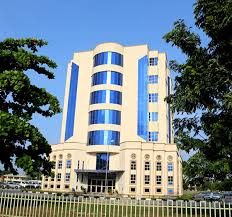
Choosing the right university is one of the most important decisions for students planning their academic future. Among the top private universities in Nigeria, Babcock University stands out for its high academic standards, modern facilities, and strong moral foundation.
Located in Ilishan‑Remo, Babcock University has become one of the most respected private universities in Nigeria, attracting students from across the country and internationally.
The university is owned and operated by the Seventh‑day Adventist Church, and it focuses not only on academic excellence but also on character development and leadership training.
This guide covers everything prospective students need to know about Babcock University, including:
- Complete list of courses offered
- Faculties and schools
- School fees breakdown
- Admission requirements
- JAMB cut-off mark
- Subject combinations for popular courses
- Step-by-step admission process
- Accommodation and campus life
- Career opportunities for graduates
- Frequently asked questions (FAQs)
If you are considering studying at Babcock University, this guide will give you a complete overview of the institution and its admission process.
Overview of Babcock University
Babcock University was established in 1999 and is widely recognized as one of the first private universities in Nigeria.
The institution is known for:
- High academic discipline
- Christian moral values
- Modern learning facilities
- International academic partnerships
Key Facts About Babcock University
| Feature | Details |
|---|---|
| Established | 1999 |
| Location | Ilishan-Remo, Ogun State |
| Type | Private University |
| Ownership | Seventh-day Adventist Church |
| Academic System | Semester system |
| Campus | Residential |
The university offers programs in:
- Medicine and health sciences
- Engineering and computing
- Law and security studies
- Social sciences and management
- Education and humanities
Schools and Faculties in Babcock University
Babcock University organizes its academic programs into several schools.
These include:
- School of Medicine
- School of Nursing Science
- School of Computing and Engineering Sciences
- School of Science and Technology
- School of Environmental Science
- School of Education and Humanities
- School of Management Sciences
- Veronica Adeleke School of Social Sciences
- School of Law and Security Studies
- School of Public and Allied Health
Each school contains departments that offer specific undergraduate programs.
Complete List of Courses Offered in Babcock University
Below is a comprehensive list of undergraduate programs offered at the university.
School of Medicine
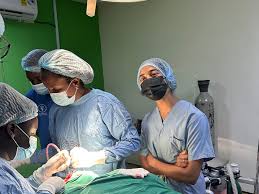
This school offers one of the most prestigious medical programs among Nigerian private universities.
Courses include:
- Medicine and Surgery (MBBS)
The program typically lasts six years, including clinical training.
School of Nursing Science
This school prepares students for careers in professional nursing and healthcare.
Courses offered:
- Nursing Science
Graduates from this program can work in hospitals, healthcare organizations, and research institutions.
School of Computing and Engineering Sciences
This school focuses on technology, innovation, and digital development.
Courses include:
- Computer Science
- Computer Engineering
- Information Technology
- Software Engineering
These programs prepare students for careers in:
- Software development
- Artificial intelligence
- Cybersecurity
- Technology consulting
School of Science and Technology
This school offers various science programs.
Courses include:
- Biochemistry
- Microbiology
- Industrial Chemistry
- Physics with Electronics
- Mathematics
- Biology
Graduates often work in industries such as:
- Pharmaceuticals
- Biotechnology
- Environmental science
- Research institutions
School of Environmental Science
Programs in this school focus on infrastructure and environmental development.
Courses include:
- Architecture
- Building Technology
- Estate Management
- Urban and Regional Planning
Graduates from this school often pursue careers in construction, architecture, and urban development.
School of Education and Humanities
This school focuses on education, arts, and language programs.
Courses include:
- English Studies
- History and International Studies
- Religious Studies
- Education programs
These programs prepare students for careers in:
- Teaching
- Academic research
- Publishing
- Cultural studies
School of Management Sciences
This school trains students in business management and finance.
Courses include:
- Accounting
- Banking and Finance
- Business Administration
- Marketing
Graduates from this school often pursue careers in:
- Banking
- Corporate management
- Financial consulting
- Entrepreneurship
Veronica Adeleke School of Social Sciences
This school offers programs in social science and communication.
Courses include:
- Economics
- Mass Communication
- Political Science
- Public Administration
- Social Work
These programs prepare students for careers in:
- Government
- Media
- Public relations
- Policy development
School of Law and Security Studies
This school provides training in law and security management.
Courses include:
- Law (LLB)
- Security Studies
Graduates often pursue careers in:
- Legal practice
- Government agencies
- Corporate law firms
School of Public and Allied Health
This school focuses on healthcare and public health programs.
Courses include:
- Public Health
- Medical Laboratory Science
Graduates can work in:
- Hospitals
- Health agencies
- International health organizations
Babcock University School Fees (2025/2026)
Babcock University school fees vary depending on the program and level of study.
Because it is a private university, tuition fees are generally higher than those of federal universities.
Estimated Tuition Fees
School fees for most undergraduate programs typically range from:
₦700,000 to ₦3,000,000 per academic session, depending on the course.
Medical programs are significantly more expensive.
For example:
- Medical students may pay around ₦7,000,000 for 100–200 level, decreasing in later years.
These fees usually include:
- Tuition
- Accommodation
- Feeding
- Laboratory usage
- Internet access
However, some specialized programs may have additional charges.
What Babcock University School Fees Cover
Unlike many universities in Nigeria, Babcock University fees include several services.
These include:
- Tuition and registration fees
- Accommodation in campus hostels
- Feeding services
- Library access
- Laboratory fees for science programs
- Information technology certification for computing students
This makes the university a fully residential institution where students live and study on campus.
Babcock University Admission Requirements
To gain admission into Babcock University, candidates must meet specific requirements.
1. O’Level Requirements
Candidates must have:
- At least five credit passes in WAEC, NECO, or GCE.
- The results must include English Language and Mathematics.
Results must be obtained in not more than two sittings, although Medicine requires one sitting.
2. JAMB UTME Requirement
Prospective students must register for the Joint Admissions and Matriculation Board examination.
Candidates must:
- Score the minimum UTME cut-off mark
- Choose Babcock University as their first choice institution
Admission into undergraduate programs is conducted through UTME or Direct Entry.
3. Babcock University Post-UTME Screening
After meeting the UTME requirement, candidates must participate in the university’s screening exercise.
The screening may include:
- Online application
- Document verification
- Interview or assessment
Candidates are evaluated based on:
- UTME score
- O’Level results
- Screening performance
How to Apply for Babcock University Admission
Here is a step-by-step process to apply.
Step 1: Register for UTME
Choose Babcock University as your first choice.
Step 2: Meet the Cut-Off Mark
Try to score 180 or higher to increase your chances.
Step 3: Apply Through the Babcock Admission Portal
Fill out the online application form.
Step 4: Upload Required Documents
Documents include:
- JAMB result
- O’Level result
- Passport photograph
- Birth certificate
Step 5: Attend Screening
Candidates may be invited for an interview or screening exercise.
Step 6: Receive Admission Letter
Successful candidates will receive their admission offer.
Accommodation and Campus Life
Babcock University operates a fully residential campus system.
This means students live in university hostels throughout their academic program.
Campus facilities include:
- Modern classrooms
- Research laboratories
- Libraries
- Sports complexes
- Student centers
The university also maintains strict rules regarding:
- Dress code
- Attendance
- Conduct
These policies aim to maintain discipline and a productive learning environment.
Why Choose Babcock University?
There are several reasons students choose Babcock University.
1. Strong Academic Reputation
The university is widely respected for its academic quality.
2. Modern Learning Facilities
Students benefit from well-equipped laboratories and modern technology.
3. Christian Moral Foundation
The institution promotes strong ethical values and discipline.
4. Residential Campus
Students live on campus, which encourages academic focus and community building.
5. International Opportunities
The university collaborates with several international institutions.
Career Opportunities for Babcock University Graduates
Graduates from Babcock University pursue careers in many industries.
Popular career paths include:
- Medicine and healthcare
- Engineering and technology
- Business management
- Law and legal practice
- Media and communication
- Public administration
Many graduates also pursue postgraduate studies abroad.
Frequently Asked Questions (FAQs)
Is Babcock University a good university?
Yes. Babcock University is one of the most respected private universities in Nigeria.
How much is Babcock University school fees?
School fees generally range from ₦700,000 to ₦3,000,000 per session, depending on the program.
Medical programs are significantly more expensive.
What is the JAMB cut-off mark for Babcock University?
The general cut-off mark is usually around 180.
Does Babcock University accept Direct Entry?
Yes. Candidates with A-Level qualifications or equivalent can apply through Direct Entry.
Does Babcock University provide accommodation?
Yes. Students are required to live in campus hostels.
Final Thoughts
Babcock University remains one of the top private universities in Nigeria, offering high-quality education in medicine, engineering, science, business, and social sciences.
Although the school fees are higher than federal universities, the institution provides:
- Modern learning facilities
- Strong academic discipline
- Residential campus life
- High graduate employability
For students seeking a private university with strong academic and moral standards, Babcock University is an excellent option.