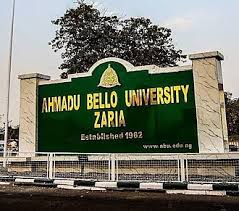
Nigeria’s university admission system remains highly competitive for popular programmes like Medicine, Law, and Engineering, but thousands of candidates with JAMB scores between 150–200 still secure spots every year in less competitive courses. With the Joint Admissions and Matriculation Board (JAMB) setting the official minimum benchmark at 150 for universities in the 2025/2026 cycle (a standard that continues into 2026), many degree programmes have departmental cut-offs as low as 140–180. These “easiest” courses typically have far more available slots than applicants, lower Post-UTME pressure, and are offered across federal, state, and private universities including newer institutions established to expand access.
This comprehensive 2026 guide (updated for the current admission cycle) breaks down the easiest courses to study in Nigeria. You’ll discover why they’re accessible, exact JAMB and aggregate expectations, O’Level requirements, top universities, course duration, career prospects, realistic salary ranges, and proven strategies to boost your chances. Whether your JAMB score is 150, 170, or 190, or you’re considering a change of course/institution, this article gives parents, SSCE leavers, and UTME candidates everything needed for informed decisions. All data draws from JAMB 2025 policy meetings, university releases, and 2025 admission statistics (patterns hold for 2026).
What Makes a Course “Easy” to Gain Admission Into in Nigeria?
“Easy” here refers to high admission probability, not low academic rigour. Key factors include:
- Low Applicant-to-Slot Ratio: Fewer candidates apply compared to Medicine (which sees 400,000+ applicants for limited slots). Courses like Agriculture, Education, and certain Arts/Social Sciences attract far fewer applicants.
- Lower Departmental Cut-Offs: Typically 140–180 JAMB score (plus Post-UTME), versus 250–320 for competitive fields.
- Wider Availability: Offered in 50+ universities (federal, state, private, and specialised ones like universities of agriculture or education).
- Flexible Requirements: Often accept two sittings in O’Level or slightly lower Post-UTME performance.
- Strategic Placement: Many new federal universities (e.g., FUDMA, FUBK, FUD) and state institutions set overall cut-offs at 140–160 to fill quotas.
JAMB’s 2025 policy confirmed 150 as the university minimum (140 for nursing colleges, 100 for polytechnics/colleges of education). Departmental cut-offs vary but remain low for these programmes. Private universities often have even more lenient processes, sometimes admitting with 140+ and strong O’Level results.
Important Reality Check: These courses still require hard work, NUC accreditation, and lead to viable careers — especially with Nigeria’s focus on agriculture, education, tourism, and public service. Many graduates earn well through entrepreneurship, government jobs, or further certifications.
Top 15 Easiest Courses to Gain Admission Into in Nigeria 2026 (Ranked by Typical Accessibility)
Here’s a curated list based on 2025 JAMB data and university trends. Most accept 140–180 JAMB scores. I’ve grouped them with detailed breakdowns.
1. Agricultural Science / Agriculture (Including Agricultural Economics, Animal Science, Crop Science)
Why Easiest? Massive government push for food security (Nigeria’s agriculture sector needs millions of skilled graduates). Low applicant numbers despite high national importance.
JAMB UTME Expectation: 150–180 (many universities accept 160+).Aggregate Examples: Federal University of Agriculture Makurdi (FUNAAB) ~160–180; state unis often 150–170.
O’Level Requirements: Five credits (English, Maths, Biology, Chemistry, Physics/Agric Science) one or two sittings often accepted.
Duration: 4–5 years + possible farm practicals.
Career Prospects & Salary: Agribusiness entrepreneur, extension officer, farm manager, researcher (NAFDAC, FAO). Starting salary ₦80,000–₦150,000 (government/extension); entrepreneurs in poultry/fish farming clear ₦500,000–₦2 million+ monthly. High potential with value addition (processing, export).
Top Universities: FUNAAB, Federal University Dutsin-Ma (FUDMA), University of Calabar, Imo State University, Ekiti State University, private options like Landmark University.
Pro Tip: Perfect for science students who love practical work.
2. Education Courses (Biology Education, English Education, Mathematics Education, etc.)
Why Easiest? Chronic teacher shortage nationwide; universities have large quotas to train educators.
JAMB UTME: 150–190 (Education often the lowest in any faculty).
O’Level: English + relevant subjects (e.g., Biology for Biology Ed).
Duration: 4 years (B.Ed) or 5 years in some integrated programmes.
Careers & Earnings: Teacher (primary/secondary), lecturer (after M.Ed), curriculum developer. Government teachers start at ₦70,000–₦120,000 + allowances; private schools ₦100,000–₦300,000. Stable with NYSC deployment priority.
Top Universities: Tai Solarin University of Education (TASUED), Federal University of Education (various), University of Nigeria Nsukka (UNN) — lower cut-offs in Education faculty, many state unis.
Bonus: Often qualifies for automatic teaching jobs post-NYSC.
3. Fisheries & Aquaculture
Why Easiest? Niche but booming due to fish demand and blue economy initiatives.
JAMB UTME: 150–170.
O’Level: English, Maths, Biology, Chemistry.
Careers: Fish farmer, aquaculture consultant, exporter. High entrepreneurial returns (₦300,000–₦1 million+ monthly for successful farms).
Top Unis: University of Lagos (low for this), Federal University Oye-Ekiti, many coastal state universities.
4. Library and Information Science
Why Easiest? Digital archiving and knowledge management needs are rising, but few applicants.
JAMB UTME: 150–170.
Careers: Librarian, information officer, archivist (universities, NGOs, tech firms). Stable government jobs + digital skills lead to higher pay.
Top Unis: University of Ibadan, Ahmadu Bello University (lower in this dept), state unis.
5. Sociology
Why Easiest? Broad social science with large admission quotas; less “glamorous” than Psychology or Mass Comm.
JAMB UTME: 160–200.
O’Level: English, Government/History, Economics.
Careers: HR specialist, social worker, NGO coordinator, researcher. Salaries ₦100,000–₦400,000+ with experience.
Top Unis: UNN, University of Ilorin, many state unis accept 170+.
6. Zoology / Botany / Plant Science
Why Easiest? Pure sciences but overlooked in favour of Medicine/Pharmacy.
JAMB UTME: 150–180.
Careers: Research scientist, wildlife conservation, environmental consultant, lab tech. Good for postgraduate paths (e.g., into Medicine via direct entry).
Top Unis: University of Port Harcourt, Federal universities with strong science faculties.
7. Religious Studies / Christian Religious Studies / Islamic Studies / Philosophy
Why Easiest? Very low competition; often tied to cultural/ethical needs.
JAMB UTME: 140–170.
Careers: Clergy, teacher, counsellor, ethics consultant. Modest starting pay but stable + community impact.
Top Unis: Many northern/southern unis with religious studies depts.
8. History and International Studies / Archaeology
Why Easiest? Humanities with fewer STEM-focused applicants.
JAMB UTME: 150–180.
Careers: Historian, diplomat, museum curator, tour guide, civil service.
Top Unis: University of Ibadan, UNN.
9. Fine Arts / Theatre Arts / Music / Performing Arts
Why Easiest? Creative fields attract passionate but fewer high-scorers.
JAMB UTME: 150–180 (plus portfolio/audition sometimes).
Careers: Artist, actor, musician, creative director ( Nollywood, advertising). Entrepreneurial potential high.
Top Unis: University of Lagos, Obafemi Awolowo University.
10. Public Administration / Political Science / Peace Studies & Conflict Resolution
Why Easiest? Governance and policy roles in high demand but lower JAMB frenzy.
JAMB UTME: 160–190.
Careers: Civil servant, policy analyst, NGO worker, politician aide. Salaries ₦100,000–₦500,000+ in government.
Top Unis: Many federal and state unis.
11. Business Administration / Marketing / Insurance / Taxation
Why Easiest? Commercial but not as oversubscribed as Accounting in top schools.
JAMB UTME: 160–190.
Careers: Manager, marketer, insurance broker. Versatile with entrepreneurship options.
Top Unis: Covenant (private — easier entry), state unis.
12. Environmental Science / Management / Forestry & Wildlife
Why Easiest? Climate and conservation focus creates opportunities with low applicants.
JAMB UTME: 150–180.
Careers: Environmental officer, conservationist (high demand from NGOs/government).
13–15. Additional Strong Options: Criminology & Security Studies, Hospitality & Tourism, Science Laboratory Technology, Home Science & Nutrition, Arabic/French/English Language Studies
These round out the 29 low-competition courses identified by JAMB-aligned sources in 2025. All share 140–180 JAMB ranges and strong employability in security, tourism (post-COVID boom), labs, and language services.
Universities with the Easiest Admission in Nigeria 2026 (Low Overall Cut-Offs)
- Newer Federal Universities: Federal University Dutsin-Ma (FUDMA) 140–160, Federal University Birnin Kebbi (FUBK) 140–150, Federal University Dutse (FUD) 150, Federal University Otuoke ~150.
- State Universities: Many accept 140–180 (e.g., Taraba State University, Sokoto State University, Ekiti State University, Abia State University).
- Private Universities: Rhema University, Lead City, Madonna, Babcock, Covenant — often 140–170 with flexible processes but higher fees (₦300,000–₦1.5 million/year).
- Specialised: Universities of Agriculture/Education have built-in lower bars for related courses.
How to Secure Admission into These Easiest Courses in 2026
- Score at Least 150–180 in UTME, Aim above minimum for safety.
- Excel in Post-UTME, Many weight it heavily; prepare specifically.
- Strong O’Level, Five credits in relevant subjects (one sitting preferred but two often OK).
- Use JAMB Change of Course/Institution, Switch to these after results if needed (deadline usually August/September).
- Apply to Multiple Choices, First choice a low-cut-off uni; second as backup.
- Consider Direct Entry (ND, NCE, A-Level) for 200 level entry.
- Private or State Options, Faster admission, sometimes no Post-UTME.
Career Prospects, Salaries & Why These Courses Are Worth It
These programmes align with national priorities (agriculture, education, security, tourism). With certifications (e.g., ICAN for Business, teaching qualifications), graduates thrive. Entrepreneurship is common, many start farms, tutoring centres, or consultancies. Average starting salaries: ₦70,000–₦200,000; mid-career ₦300,000–₦1 million+ depending on sector.
Potential Challenges & How to Overcome Them
- Perceived lower prestige (solution: focus on skills + networking).
- Modest starting pay in some fields (solution: side hustles, postgraduate studies).
- Limited slots in ultra-popular unis (solution: target newer or specialised institutions).
Polytechnics/Colleges of Education (100 cut-off) offer even easier HND/NCE routes that can convert to degrees via direct entry.
Frequently Asked Questions (FAQ)
Q1: What is the absolute easiest course in Nigeria 2026?
A: Agriculture, Education, or Religious Studies, often 140–160 cut-offs.
Q2: Can I study these with 150 JAMB score?
A: Yes, in many state/private/new federal universities.
Q3: Are these courses “easy” academically?
A: No, they require dedication, but admission is easier.
Q4: Do private universities have lower cut-offs?
A: Yes, and faster processing, though fees are higher.
Q5: What about salary after graduation?
A: Varies widely; agriculture and business fields offer strong entrepreneurial upside.
Q6: Can I change to a competitive course later?
A: Rare and difficult, choose based on passion.
Q7: Are Education courses good for job security?
A: Excellent, teacher demand is perpetual.
Q8: Which universities accept the lowest scores?
A: FUDMA, FUBK, and many state unis (140+).
Q9: Is JAMB change of course free?
A: No, but affordable and effective for these programmes.
Q10: What if my score is below 150?
A: Consider polytechnics (100 cut-off) or colleges of education, then direct entry.
Q11: Do these courses have good future prospects in 2026+?
A: Yes, aligned with SDGs (food security, education, sustainability).
Q12: Should I avoid them if I want prestige?
A: Prestige is personal; many high earners come from “easy” entry courses via hard work.
Final Advice for 2026 Aspirants
Don’t let a moderate JAMB score derail your dreams. The easiest courses to gain admission into in Nigeria offer accessible entry, solid education, and real-world impact. Prioritise your interests and strengths, apply strategically (including change of course), and prepare your O’Level well. Admission is achievable, the key is action now.
Start today: Check JAMB portal, research your preferred university’s 2025 departmental cut-offs (2026 updates follow similar trends), and consult guidance counsellors. Your future in agriculture, education, social sciences, or creative fields is brighter than you think