Nigeria’s university admission race is fiercer than ever. With over 1.9 million candidates sitting for the 2025 UTME (and similar numbers expected in 2026), only a tiny fraction secure spots in the most sought-after programmes. The Joint Admissions and Matriculation Board (JAMB) sets a general minimum of 150 for universities, but departmental cut-offs for competitive courses routinely climb to 250–320 aggregate points. These programmes attract the highest number of applicants relative to available slots, command the highest prestige, and lead to lucrative careers.
This 2026 guide breaks down the most competitive courses in Nigeria, why they are so hard to enter, exact JAMB and Post-UTME expectations, O’Level requirements, top universities, career prospects, salaries, and proven strategies to beat the odds. Whether you’re a parent, SSCE leaver, or UTME candidate, this article gives you everything you need to make an informed choice.
What Makes a Course “Competitive” in Nigeria?
Competitiveness is measured by three key factors:
- Applicant-to-Slot Ratio: Medicine often sees 400,000+ applicants chasing fewer than 80,000 national MBBS slots (historical JAMB data pattern holds).
- Cut-Off Marks: The higher the aggregate (UTME + Post-UTME + O’Level), the more competitive.
- Societal & Economic Prestige: Courses linked to high-paying, respected professions (doctors, lawyers, pharmacists) remain “parent-approved” gold standards.
Other drivers include limited accreditation by the National Universities Commission (NUC), high infrastructure costs (labs, teaching hospitals), and brain-drain pressure that keeps supply low while demand skyrockets.
Top 8 Most Competitive Courses in Nigeria 2026 (Ranked by Typical Cut-Off & Demand)
1. Medicine and Surgery (MBBS)
Why #1? It is Nigeria’s ultimate prestige course. Thousands dream of becoming doctors; universities have strict quotas set by the Medical and Dental Council of Nigeria (MDCN).
JAMB UTME Expectation: 280–320+ (many top schools now require 290+ raw score before Post-UTME).
Aggregate Cut-Off Examples (2025/2026 patterns):
- University of Ibadan (UI): ~78–82% aggregate
- UNILAG: 310+
- UNN: 314+
- UNIBEN: 280+
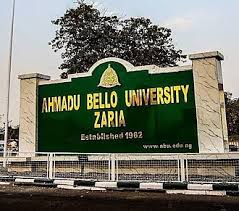
- ABU Zaria: 280+
O’Level Requirements: Five credits in one sitting (English, Maths, Physics, Chemistry, Biology). Two sittings rarely accepted.
Course Duration & Structure: 6 years (pre-clinical + clinical + internship). Heavy on anatomy, physiology, pathology, and rotations in teaching hospitals.
Career Prospects & Salary: House officers start at ₦150,000–₦250,000/month (government); consultants in private practice earn ₦800,000–₦3 million+. Private clinics, telemedicine, and international opportunities (UK, Canada, US) multiply earnings. Job security is near 100%.
Top Universities: UI, UNILAG, UNN, OAU, ABU, UNIBEN, LASU, Babcock (private).
Pro Tip: Change of course is almost impossible once admitted elsewhere—apply directly and prepare for intense Post-UTME.
2. Law (LL.B)
Why So Competitive? Prestige, courtroom drama, and high earnings in corporate/commercial law drive massive applications. Limited spaces in faculties of law.
JAMB UTME Expectation: 260–290+.
Aggregate Examples: UNILAG ~270–280, UI ~75%+, UNN ~297, OAU high 260s.
O’Level: English, Literature-in-English, Government/History + two others (one sitting preferred).
Duration: 5 years + 1-year Law School (BL) + NYSC.
Career Paths: Barrister, solicitor, judge, corporate counsel, NGO legal advisor, politics. Top SANs and corporate lawyers earn ₦500,000–₦5 million+ monthly. International firms (Deloitte Legal, etc.) pay even higher.
Top Universities: UNILAG, UI, UNN, OAU, ABU, University of Benin, Covenant University.
3. Pharmacy (PharmD / B.Pharm)
Rising Star: Often called “Medicine’s younger sibling.” Explosive growth in pharmaceutical manufacturing and community pharmacies.
JAMB UTME Expectation: 270–300+.
Aggregate: UNILAG ~275, UI ~78%, UNN ~293.
O’Level: English, Maths, Physics, Chemistry, Biology (one sitting).
Duration: 5–6 years (now trending toward PharmD).
Careers & Earnings: Community/hospital pharmacists earn ₦150,000–₦500,000 starting; industrial pharmacists and drug reps with bonuses hit ₦800,000+. Pharmacy owners in Lagos/Abuja clear millions monthly. Global demand (export, research) is huge.
Top Schools: UI, UNILAG, UNN, OAU, UNIBEN, Madonna University (private).
4. Nursing Science
Booming Demand: Post-COVID healthcare shortage + international migration (UK, US, Canada pay 5–10x Nigerian salaries).
JAMB UTME: 260–280+.
Aggregate: Many federal schools 250–270.
O’Level: English, Maths, Biology, Chemistry, Physics.
Duration: 5 years (B.N.Sc) + internship.
Salary: Entry-level ₦120,000–₦250,000 (government); private hospitals and diaspora remittances push effective income much higher.
Top Universities: UI, UNILAG, UNN, OAU, ABU, University of Ilorin.
5. Accounting
Surprisingly Competitive: Every business needs accountants; ICAN/ACCA certification adds massive value.
JAMB UTME: 250–270+.
O’Level: English, Maths, Economics, Financial Accounting.
Careers: Chartered Accountant, auditor, tax consultant, CFO. Big 4 firms (PwC, KPMG) start at ₦300,000–₦600,000 + bonuses. Private practice or oil & gas roles pay even more.
Top Schools: UNILAG, UI, UNN, Covenant, Babcock.
6. Computer Science / Software Engineering
Tech Explosion: Fintech, AI, data science, and startups (Flutterwave, Paystack) drive insane demand.
JAMB UTME: 250–280+.
O’Level: English, Maths, Physics, Chemistry + one other.
Careers: Software developer, cybersecurity expert, data scientist. Entry salaries ₦250,000–₦800,000 in Lagos tech hubs; remote international contracts pay in dollars.
Top Universities: Covenant University, FUTA, UNILAG, UI, UNN, Bells University.
7. Economics
Gateway to Finance & Policy: Central Bank, World Bank, consulting firms love Economics graduates.
JAMB UTME: 250–270+.
Careers: Economist, banker, financial analyst. Top roles exceed ₦500,000/month quickly.
Top Schools: UI, UNILAG, UNN.
8. Engineering (Especially Electrical/Electronics, Petroleum, Mechanical, Computer)
Why Competitive? Oil & gas, power sector, and tech infrastructure boom.
JAMB UTME: 240–280+ (Petroleum & Electrical highest).
Careers: Engineers in Dangote, NNPC, telecoms earn ₦300,000–₦1 million+ starting.
Top Schools: FUTA, UNILAG, UI, Ahmadu Bello, Covenant.
How to Gain Admission into These Competitive Courses in 2026
- Score Extremely High in UTME — Aim 20–30 points above the published minimum.
- Ace Post-UTME — Many schools now weight it 50–60%.
- O’Level Must Be Excellent — One sitting, A1/B2 in core subjects.
- Choose the Right University — First choice must match your score; second choice as safety (but competitive courses rarely allow this).
- Early Preparation — Start JAMB mocks in SS2; join reputable tutorial centres.
- Consider Direct Entry — If you have A-Level, ND, or HND, you skip 100 level.
- Catch-Up Strategies — If your score is borderline, apply to state universities or private institutions (e.g., Babcock, Covenant) that sometimes have slightly lower bars but higher fees.
Challenges of Studying These Courses
- Intense competition and stress
- High tuition in private universities (₦1–3 million/year)
- Long duration + mandatory internships
- Brain-drain temptation after graduation
Less Competitive but Still Rewarding Alternatives
If your score falls short, consider: Medical Laboratory Science, Radiography, Public Health, Dentistry, Optometry, or Actuarial Science. They offer similar pay and demand with lower entry barriers.
Frequently Asked Questions (FAQ)
Q1: What is the absolute highest cut-off course in Nigeria 2026?
A: Medicine and Surgery at UNN or UI (often 310–320 aggregate).
Q2: Can I study Medicine with 270 in JAMB?
A: Possible in some state or private universities, but top federal schools usually require 280+.
Q3: Is Pharmacy harder than Medicine?
A: Many students say Pharmacy has heavier coursework volume, but Medicine has longer clinical rotations.
Q4: Do private universities have lower cut-offs for these courses?
A: Slightly lower, but fees are significantly higher (₦1–4 million per session).
Q5: How many candidates applied for Medicine in recent years?
A: Historically over 450,000 for ~78,000 slots nationwide.
Q6: Which course has the best salary in Nigeria?
A: Medicine (consultants), specialized Engineering (Petroleum), and top-tier Law/Accounting all compete at the top.
Q7: Should I change my course after JAMB?
A: Only as last resort—most competitive courses do not allow easy change.
Q8: Are there scholarships for these courses?
A: YesNNPC, PTDF, state scholarships, and private university merit awards target high scorers.
Q9: Is Computer Science still competitive in 2026?
A: Extremely tech talent shortage keeps demand sky-high.
Q10: What if I don’t get any competitive course?
A: Many graduates pivot successfully via postgraduate diplomas, certifications (ICAN, Cisco, PMP), or entrepreneurship.
Final Advice for 2026 Aspirants
Competitive courses reward preparation, resilience, and realistic planning. Score high, choose your university wisely, and back up your first choice with strong O’Level results. The reward prestige, financial security, and societal impact is worth the grind.
Start preparing today. Your future self (and your parents) will thank you.