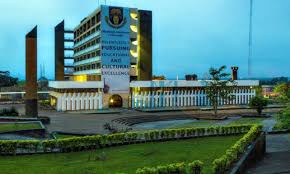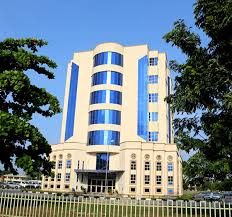
The Federal University of Technology Akure (FUTA) is one of the most prestigious technology-focused universities in Nigeria. Located in Akure, Ondo State, Nigeria, the university is widely recognized for its excellence in science, engineering, and technology education.
Every year, thousands of students across Nigeria apply for admission into FUTA because of its strong academic reputation, affordable school fees, and high-quality research environment.
In this detailed guide, you will learn everything about:
- FUTA courses offered
- Faculties and departments
- FUTA school fees
- Admission requirements
- JAMB cut-off mark
- How to apply for FUTA admission
- Frequently asked questions
If you are planning to study at the Federal University of Technology Akure, this guide will help you understand the entire admission process.
Overview of Federal University of Technology Akure (FUTA)
The Federal University of Technology Akure was established in 1981 by the Nigerian government to promote technological advancement and scientific development in the country.
Unlike conventional universities that offer many arts and social science courses, FUTA focuses mainly on:
- Engineering
- Science
- Technology
- Environmental studies
- Agriculture
- Computing
This focus makes FUTA one of the best universities in Nigeria for students interested in technology-related careers.
Key Facts About FUTA
| Feature | Details |
|---|---|
| Established | 1981 |
| Location | Akure, Ondo State |
| Type | Federal University |
| Focus | Science and Technology |
| Ownership | Federal Government of Nigeria |
| Popular Programs | Engineering, Computer Science, Architecture |
FUTA has produced thousands of graduates who now work in major industries such as:
- Oil and Gas
- Information Technology
- Engineering
- Construction
- Research institutions
Faculties and Schools in FUTA
FUTA organizes its academic programs into several schools (faculties).
These include:
- School of Engineering and Engineering Technology
- School of Computing
- School of Sciences
- School of Environmental Technology
- School of Agriculture and Agricultural Technology
- School of Earth and Mineral Sciences
- School of Health and Health Technology
- School of Management Technology
- School of Postgraduate Studies
Each school contains different departments that offer specific degree programs.
Full List of Courses Offered in FUTA
Below is a comprehensive list of undergraduate courses offered at the Federal University of Technology Akure.
School of Engineering and Engineering Technology
This is one of the most competitive faculties in FUTA.
Courses include:
- Agricultural Engineering
- Chemical Engineering
- Civil Engineering
- Electrical and Electronics Engineering
- Mechanical Engineering
- Metallurgical and Materials Engineering
- Mining Engineering
- Industrial and Production Engineering
Engineering programs usually last five years.
School of Computing
The School of Computing focuses on modern technology and digital innovation.
Courses include:
- Computer Science
- Cyber Security
- Information Technology
- Information Systems
- Software Engineering
Computer-related programs are among the most competitive in FUTA due to the growing demand for tech professionals.
School of Sciences
This faculty focuses on fundamental scientific research.
Courses include:
- Biochemistry
- Biology
- Biotechnology
- Chemistry
- Microbiology
- Mathematics
- Physics
- Statistics
Graduates from this faculty often pursue careers in research, pharmaceuticals, or environmental science.
School of Environmental Technology
This faculty trains students in urban planning, architecture, and construction technology.
Courses include:
- Architecture
- Building Technology
- Estate Management
- Quantity Surveying
- Urban and Regional Planning
- Industrial Design
These programs focus on solving real-world environmental and infrastructure challenges.
School of Agriculture and Agricultural Technology
Agriculture is another important academic area in FUTA.
Courses include:
- Agricultural Economics
- Agricultural Extension
- Animal Production and Health
- Crop Soil and Pest Management
- Fisheries and Aquaculture
- Forestry and Wood Technology
These programs aim to support food security and agricultural innovation in Nigeria.
School of Earth and Mineral Sciences
This faculty focuses on natural resources and geological sciences.
Courses include:
- Applied Geology
- Applied Geophysics
- Meteorology
- Remote Sensing and Geosciences
Graduates often work in industries such as:
- Oil and gas
- Mining
- Environmental monitoring
School of Health and Health Technology
This faculty focuses on medical and health-related sciences.
Courses include:
- Biomedical Technology
- Human Anatomy
- Physiology
These programs prepare students for careers in healthcare research and medical technology.
School of Management Technology
This faculty combines technology with management and business.
Courses include:
- Project Management Technology
- Transport Management Technology
- Entrepreneurship Management Technology
Graduates are prepared for careers in business, logistics, and industrial management.
FUTA School Fees (2025/2026)
One of the biggest advantages of studying at FUTA is its relatively affordable school fees compared to private universities.
Federal universities in Nigeria usually charge lower fees because they are subsidized by the government.
FUTA School Fees Breakdown
Fresh students generally pay between:
- ₦131,000 – ₦240,500 per session depending on the level.
Returning students usually pay lower fees than new students.
Example Fee Breakdown
| Level | Estimated Fees |
|---|---|
| 100 Level | ₦240,500 |
| 200 Level | ₦240,500 |
| 300 Level | ₦131,000 |
| 400 Level | ₦136,000 |
| 500 Level | ₦127,500 |
These fees include charges such as:
- Registration fees
- Laboratory fees
- Library fees
- Medical fees
- ICT development fee
- Student union dues
- Municipal charges
FUTA Acceptance Fee
New students must pay an acceptance fee of about ₦40,000–₦45,000 to confirm their admission.
FUTA Admission Requirements
To gain admission into FUTA, candidates must meet several requirements.
1. O’Level Requirements
Candidates must have:
- At least five credit passes in WAEC, NECO, or equivalent.
- Subjects must include:
- English Language
- Mathematics
- Other relevant subjects related to the chosen course.
These results must be obtained in not more than two sittings.
2. JAMB UTME Requirement
Students must:
- Register for the Unified Tertiary Matriculation Examination (UTME).
- Select FUTA as their first choice institution.
The general JAMB cut-off mark for FUTA is around 180, although competitive courses require higher scores.
Examples:
| Course | Competitive Score |
|---|---|
| Computer Science | 220+ |
| Mechanical Engineering | 230+ |
| Civil Engineering | 220+ |
| Architecture | 220+ |
3. FUTA Post-UTME Screening
After JAMB, candidates must participate in the FUTA Post-UTME screening exercise.
The screening usually includes:
- Online registration
- Uploading O’Level results
- Screening score calculation
Candidates are then ranked based on:
- JAMB score
- O’Level results
- Post-UTME score
How to Apply for FUTA Admission
Here is the step-by-step process to apply for admission into FUTA.
Step 1: Register for JAMB
Choose:
Federal University of Technology Akure as your first choice.
Step 2: Score Above the Cut-Off Mark
Try to score at least 200+ for competitive courses.
Step 3: Register for FUTA Post-UTME
Visit the official portal and complete the screening form.
Step 4: Upload Required Documents
You will upload:
- O’Level result
- JAMB result
- Passport photograph
Step 5: Check Admission List
Admission lists are usually published on:
- JAMB CAPS
- FUTA portal
Why Choose FUTA?
There are several reasons why FUTA is one of the best technology universities in Nigeria.
1. Strong Technology Focus
FUTA specializes in science and engineering programs.
2. Affordable Education
School fees are far cheaper than private universities.
3. Industry Opportunities
Students benefit from:
- Industrial training programs
- Research collaborations
- Technology innovation hubs
4. High Graduate Employability
FUTA graduates are highly sought after in:
- Engineering companies
- Tech startups
- Research institutions
Accommodation and Campus Life
FUTA offers both on-campus and off-campus accommodation.
On-Campus Hostels
These are limited and allocated to students based on availability.
Off-Campus Housing
Many students live in nearby areas such as:
- Obanla
- Orita-Obele
- FUTA South Gate
Average rent ranges from ₦120,000 – ₦400,000 per year depending on the apartment type.
Career Opportunities for FUTA Graduates
Graduates from FUTA often pursue careers in:
- Engineering companies
- Software development
- Environmental consulting
- Oil and gas industries
- Academic research
- Technology startups
Popular employers include:
- Shell
- MTN
- Dangote Group
- Tech startups
Frequently Asked Questions (FAQs)
Is FUTA a good university?
Yes. FUTA is widely regarded as one of the best technology universities in Nigeria.
What is the JAMB cut-off mark for FUTA?
The general cut-off mark is around 180, but competitive courses require higher scores.
How much is FUTA school fees?
Fresh students usually pay between ₦131,000 and ₦240,500 per session, depending on their level and program.
Does FUTA offer Medicine?
No. FUTA focuses mainly on science and technology programs.
How many years is engineering in FUTA?
Engineering programs typically last five years.
Final Thoughts
The Federal University of Technology Akure (FUTA) remains one of the top choices for students interested in science, engineering, and technology education in Nigeria.
With:
- Affordable tuition
- Strong academic reputation
- Modern research facilities
- High graduate employability
FUTA continues to attract thousands of applicants every year.
If you are passionate about technology, innovation, and scientific research, studying at FUTA could be a great step toward building a successful career.